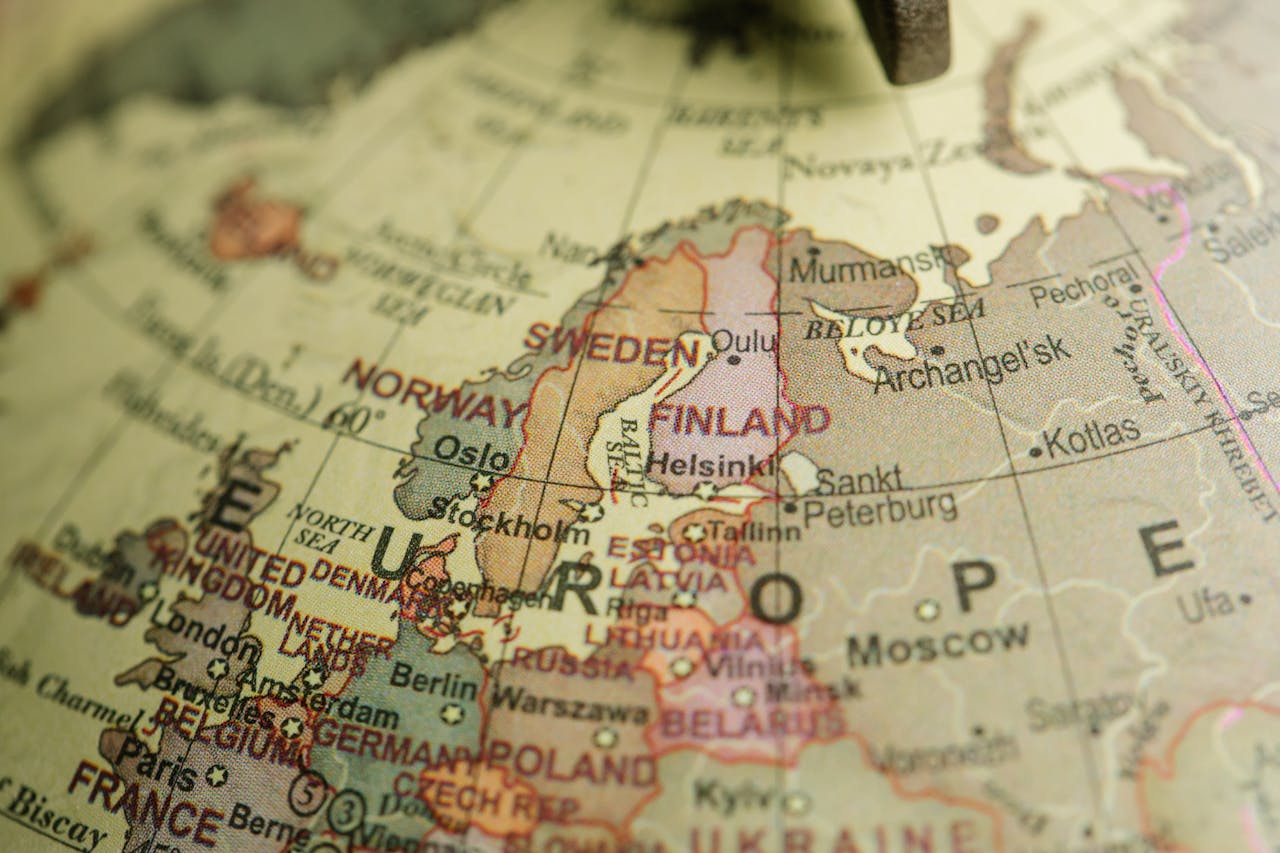
Globalization has brought the world closer than ever, connecting economies, technologies, and people across continents. However, this interconnectedness often comes at a cost: the erosion of local cultures and traditions. From cuisine to language, music to rituals, many unique aspects of communities are at risk of being overshadowed by dominant global trends. Yet, local cultures are far from passive victims—they are actively resisting, adapting, and even thriving in creative and unexpected ways.
1. Preservation of Language
Language is one of the most vulnerable yet fundamental aspects of culture. As global languages like English, Mandarin, and Spanish dominate international business, education, and media, smaller languages face the threat of extinction—UNESCO estimates that one language disappears every two weeks. Communities around the world fight back by establishing language schools, cultural programs, and digital platforms to teach and promote their native tongues.
The revival of the Welsh language in Wales exemplifies this resistance, combining formal education, media presence (including Welsh-language television channels like S4C), and government support to ensure that younger generations grow up bilingual. Similarly, the Māori people in New Zealand have established "kōhanga reo" (language nests)—early childhood education centers conducted entirely in Māori—resulting in a significant increase in native speakers. In the digital age, apps like Duolingo now offer courses in endangered languages like Hawaiian and Navajo, bringing language preservation into the 21st century.
2. Supporting Local Arts and Crafts
Globalization has led to the mass production of goods and the homogenization of cultural products, threatening artisanal traditions that have been passed down through generations. In response, local artisans and communities emphasize traditional crafts, folk music, and indigenous art forms as acts of cultural resistance. Festivals, markets, and online platforms like Etsy showcase these cultural treasures, attracting both locals and international customers who value authenticity and craftsmanship.
In Mexico, local weaving and pottery communities in Oaxaca actively market their handmade products, offering an alternative to imported, mass-produced items while providing economic sustainability for traditional artists. Japanese craftspeople practicing techniques like kintsugi (golden repair of pottery) or indigo dyeing have found renewed global interest, proving that traditional skills can compete economically with industrial production. These initiatives not only preserve cultural heritage but also create economic opportunities that keep young people in their communities rather than migrating to cities.
3. Culinary Resistance
Food is one of the most visible and delicious battlegrounds against cultural homogenization. While global chains dominate urban landscapes worldwide, many communities preserve their culinary heritage through family recipes, street food vendors, and locally-owned restaurants that serve as cultural anchors. The Slow Food movement, which began in Italy in 1986, emphasizes sustainable, locally sourced, and traditional foods as a counterbalance to fast-food culture, now boasting millions of members across 160 countries.
In cities like Bangkok, despite the presence of international franchises, street food vendors continue to serve traditional dishes using recipes and techniques unchanged for generations. Peru's gastronomic renaissance has elevated traditional ingredients like quinoa and indigenous cooking methods to international acclaim while maintaining their cultural authenticity. Farm-to-table movements in various countries reconnect urban populations with local agricultural traditions, creating economic incentives for preserving heirloom crops and traditional farming practices.
4. Community-Led Media
Mass media often spreads global trends, sometimes drowning out local voices and perspectives. To counter this, communities develop local media outlets, podcasts, YouTube channels, and social media accounts that focus on indigenous stories, traditions, and current events. Local radio stations in parts of Africa and Latin America broadcast in regional languages, reinforcing cultural identity and community cohesion while providing news and entertainment that reflects local realities.
Indigenous communities in Canada have established their own media networks, like the Aboriginal Peoples Television Network (APTN), which broadcasts in English, French, and numerous indigenous languages. In India, regional cinema industries like Kollywood (Tamil) and Tollywood (Telugu) produce more films than Bollywood, catering to local tastes and sensibilities. Social media has democratized content creation, allowing even small communities to share their cultural practices globally—from Sami reindeer herders in Scandinavia documenting their traditional lifestyle on Instagram to Guatemalan weavers using TikTok to showcase their ancient textile techniques.
5. Legal and Policy Measures
Governments and local organizations also fight cultural erosion through legal protections and cultural policies. UNESCO's Intangible Cultural Heritage program recognizes and safeguards traditions, rituals, and practices around the world, from Mongolian throat singing to French gastronomic meals. Many countries implement policies to protect local music, film, and literature, creating incentives for cultural production that resists global homogenization.
France's cultural exception policy mandates that a certain percentage of content on television and radio must be French-produced, while South Korea's support for its cultural industries has created the global phenomenon of the Korean Wave (Hallyu). Canada requires that radio stations play a minimum percentage of Canadian content. Indigenous intellectual property rights are increasingly recognized, protecting traditional knowledge and cultural symbols from exploitation—Australia's laws preventing unauthorized use of Aboriginal art and New Zealand's protections for Māori cultural symbols serve as important models.
6. Adaptation and Hybridization
Resistance does not always mean rejection or isolation. Perhaps the most dynamic response to globalization is how local cultures adapt global influences creatively, blending them with traditional practices to form new hybrid identities that are both local and global. K-pop merges Korean culture with Western music styles and production techniques, appealing globally while retaining distinct national characteristics and often incorporating traditional Korean instruments and aesthetics.
Street art in cities worldwide mixes local symbolism with global artistic trends, creating unique cultural expressions—from the political murals of Belfast to the favela art of Rio de Janeiro. Bollywood films incorporate Hollywood production techniques while maintaining distinctly Indian narratives and aesthetics. Japanese anime has become a global phenomenon while remaining deeply rooted in Japanese cultural themes and artistic traditions. This hybridization demonstrates that cultural exchange isn't necessarily a zero-sum game where local identity must be lost for global participation.
7. Digital Activism and Cultural Revival
The internet, often seen as a vehicle for homogenization, has become a powerful tool for cultural preservation and revival. Young people from indigenous and minority communities use social media to reclaim and celebrate their heritage, making traditional practices relevant to contemporary life. Hashtags like #NativeTikTok showcase indigenous cultures to millions, while online archives preserve endangered languages, songs, and stories for future generations.
Digital platforms enable diaspora communities to maintain connections with their cultural roots, with apps facilitating everything from learning traditional recipes to practicing ancestral languages. Virtual museums and 3D scans preserve cultural artifacts, making them accessible globally while protecting them from physical threats. This digital cultural activism represents a new frontier in the fight against homogenization, using the very tools of globalization to resist its homogenizing effects.
8. Eco-Cultural Resistance
Increasingly, cultural preservation intersects with environmental protection, as many traditional communities recognize that their cultural survival depends on protecting their ancestral lands and ecosystems. Indigenous peoples worldwide lead movements to preserve rainforests, oceans, and biodiversity, arguing that their traditional ecological knowledge and sustainable practices offer alternatives to destructive global economic models.
From the Amazon to the Arctic, indigenous communities fight extractive industries not only to protect their environment but also to preserve the cultural practices, spiritual beliefs, and traditional knowledge systems that depend on those ecosystems. This eco-cultural resistance positions local cultures not as relics of the past but as guardians of crucial knowledge for humanity's sustainable future.
Conclusion
Local cultures are not powerless against globalization—they are resilient, adaptive, and innovative, demonstrating remarkable creativity in how they preserve, promote, and evolve their identities. By preserving languages, supporting traditional arts, promoting local cuisines, creating community media, implementing protective policies, embracing strategic hybridization, leveraging digital tools, and connecting cultural preservation with environmental protection, communities actively shape how they exist in a globalized world.
This resistance takes many forms—some defensive, some adaptive, some confrontational, some collaborative—but all share a common thread: the assertion that cultural diversity is not merely something to be tolerated but rather a vital resource for human creativity, resilience, and meaning. In this ongoing dialogue between the global and the local, cultural diversity remains not just a living force but an essential one, reminding us that a truly connected world doesn't require uniformity, but rather celebrates the rich tapestry of human expression in all its forms.
The fight against cultural homogenization is ultimately not about rejecting progress or isolating communities from the world, but about ensuring that globalization becomes a conversation rather than a monologue—where local voices aren't drowned out by global noise, but instead contribute their unique perspectives to our shared human story.