

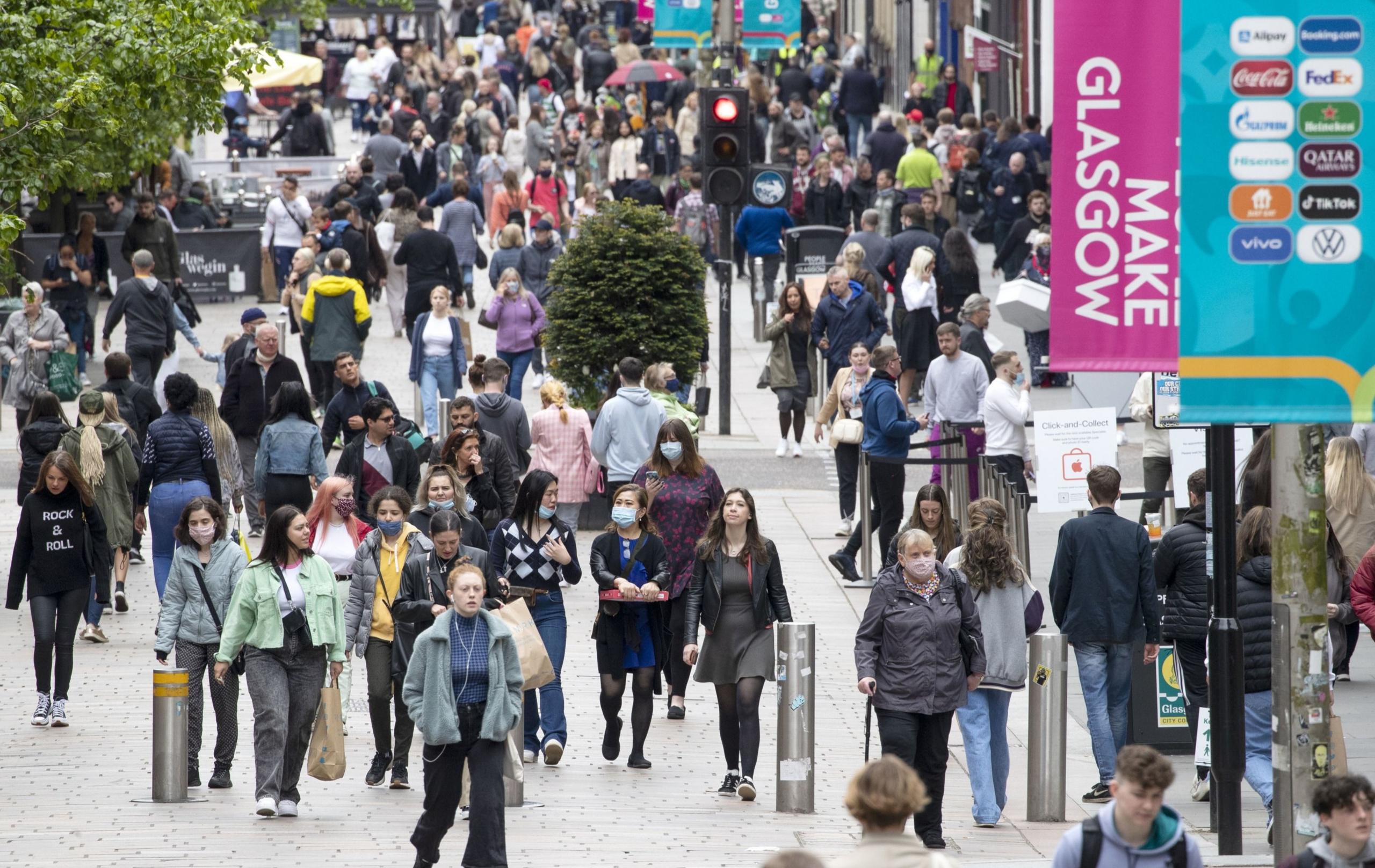
Scotland’s population reached a record 5.55 million in 2024, marking continued growth. On paper, everything looks stable, even positive. More people, steady increase, no dramatic collapse.
But dig even slightly deeper, and the picture changes. This growth is not driven by births or some sudden national baby boom. It is almost entirely sustained by migration, while the country quietly ages in the background.
Population Growth Driven by Migration
Between 2023 and 2024, Scotland’s population increased by 40,900 people (0.7%). The main driver behind this rise was migration.
-
International migration: +42,600
-
Migration from the rest of the UK: +13,800
At the same time, the natural population balance tells a different story:
-
Deaths: 62,000
-
Births: 46,400
Without migration, Scotland’s population would have declined.
That’s the kind of detail that tends to get buried under cheerful headlines.
An Ageing Nation
Scotland is not just growing. It is ageing.
-
20.5% of the population is now aged 65+
-
Two decades ago, that figure was 16.2%
-
Only 16.2% are aged 0–15, down from 18.4% in 2004
The biggest increase has been in the 60–74 age group, reflecting the ageing of the post-war “baby boom” generation.
People are living longer, which is great. They are also having fewer children, which is… less convenient for the future workforce.
Looking Ahead to 2047
Population projections suggest Scotland will reach around 5.8 million people by 2047.
But again, there’s a catch.
This growth is expected to be:
-
Driven entirely by migration
-
Accompanied by continued ageing
By 2047:
-
The number of people aged 75+ will increase by over 340,000
-
The share of pension-age population will rise to 21.5%
-
The number of children and young adults is expected to decline
In other words, more people overall, but fewer people working and more needing support. Not exactly a stress-free equation.
Fertility at Historic Lows
Scotland’s fertility rate is now around 1.3 children per woman, far below the replacement level of 2.1.
Regional differences are significant:
-
Edinburgh: 0.99
-
Midlothian: 1.66
Women are also having children later in life, and birth rates are generally higher in more deprived areas than in wealthier ones.
Mortality Trends and Health Challenges
Despite an ageing population, Scotland’s age-standardised mortality rate is at its lowest level since 1994.
However, causes of death are shifting.
-
Dementia and Alzheimer’s disease are increasingly significant
-
Around two-thirds of these deaths are women
-
Rates are 1.3 times higher in deprived areas
So yes, people are living longer. But often with complex health needs that will put pressure on healthcare systems.
Regional Differences
Population change will not be evenly distributed.
-
23 local authorities are expected to grow
-
9 are projected to decline, mainly in the west and rural or island areas
Urban centres will likely continue attracting people, while more remote regions risk long-term decline.
Why It Matters
Demographics shape everything:
-
Workforce availability
-
Healthcare demand
-
Housing and infrastructure
-
Economic growth
Scotland’s future will depend heavily on how it manages:
-
Migration
-
Ageing
-
Low birth rates
Ignoring any of these would be… optimistic at best.
Scotland’s population may be at a record high, but the underlying trends reveal a more complex reality. Growth is being sustained by migration, while natural population decline and ageing continue in the background.
The numbers are increasing. The balance behind them is shifting.
And that’s the part that actually matters.


