

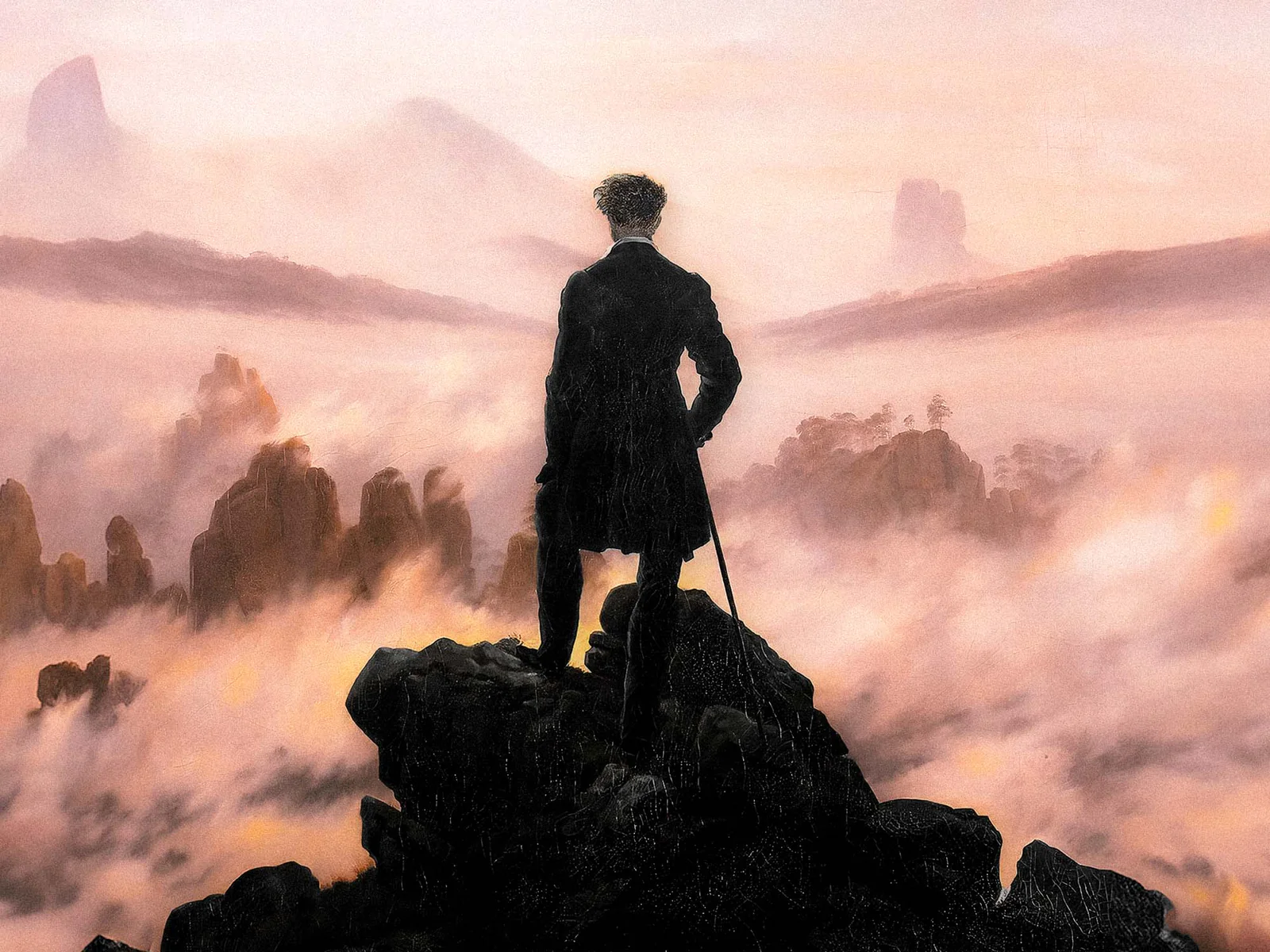
What would matter most if you were allowed to be human only once?
Not permanently. Not with retries. Just six irreversible privileges:
-
One touch.
-
One place to walk to.
-
One thing to see.
-
One human action to perform.
-
One sentence to say to the entire world.
-
One gift to give.
When stripped of repetition, spectacle loses its shine. What remains is essence.
This is not about power. It is about meaning.
One Touch
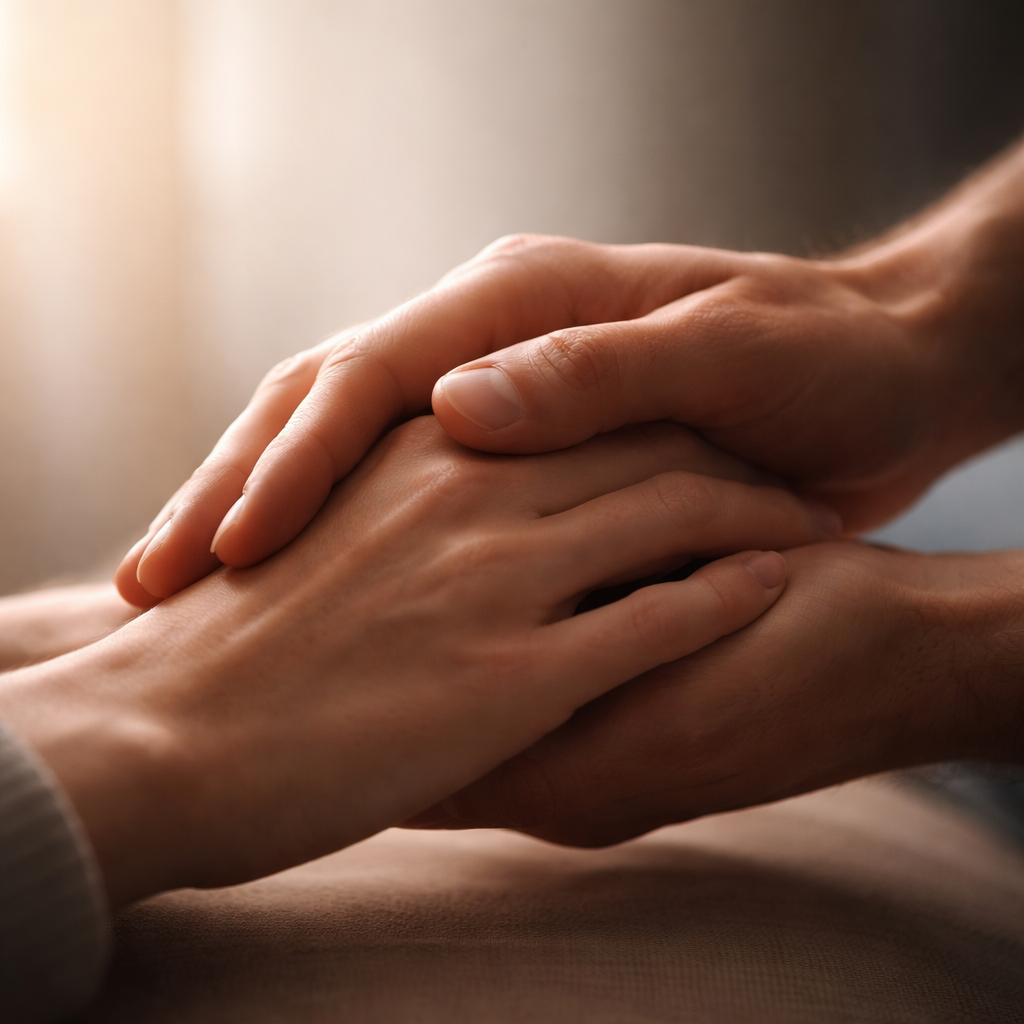
If there were only one moment of physical contact in an entire existence, it would not be with something rare or valuable. Not gold. Not a monument. Not a relic of history.
It would be the touch of another human being at the moment they feel safe.
Safety is the rarest state in modern life. Most people operate in quiet survival mode — defending, proving, competing, performing. When someone feels safe, their body changes. Shoulders lower. Breathing deepens. The nervous system softens.
To touch someone in that moment would not be possession. It would be confirmation.
A single touch that says:
You do not need to fight right now.
Human beings are wired for connection. Touch regulates fear, reduces stress, restores trust. One authentic moment of physical reassurance can recalibrate a person more effectively than a thousand words.
If only one touch were allowed, it would have to be one that lowers the weight of the world — even briefly.
One Place to Walk
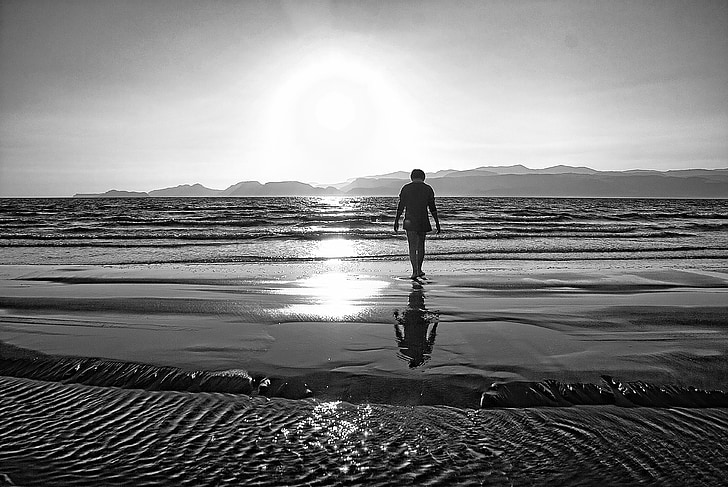
Movement is freedom. The ability to choose a direction is one of the most defining human traits.
If there were only one walk in a lifetime, the destination would not be a palace, a capital city, or a landmark. It would be the edge of the ocean at sunrise.
The ocean does something cities cannot. It recalibrates scale. Standing before something vast does not diminish a person — it restores proportion. You are small, yes. But small is not meaningless.
Sunrise adds a second layer: transition. The world moving from darkness to light. From stillness to motion. From silence to activity.
One walk toward the horizon would not be about sightseeing. It would be about perspective.
In that moment, ambition quiets. Comparison fades. The mind stops performing and starts observing.
One walk, chosen well, could teach humility without humiliation.
One Sight

If only one scene from humanity could be witnessed, it would not be a historic event. Not a war. Not a coronation. Not a technological breakthrough.
It would be a private decision.
A moment where someone chooses integrity when no one is watching.
A person refusing to exploit power.
A person telling the truth when lying would be easier.
A person choosing kindness over dominance.
History books document loud moments. But civilization is built quietly — in kitchens, offices, hospitals, streets — by invisible decisions.
Character reveals itself when there is no audience.
To witness such a moment would be to understand humanity at its core. Not at its most dramatic, but at its most honest.
One Human Action
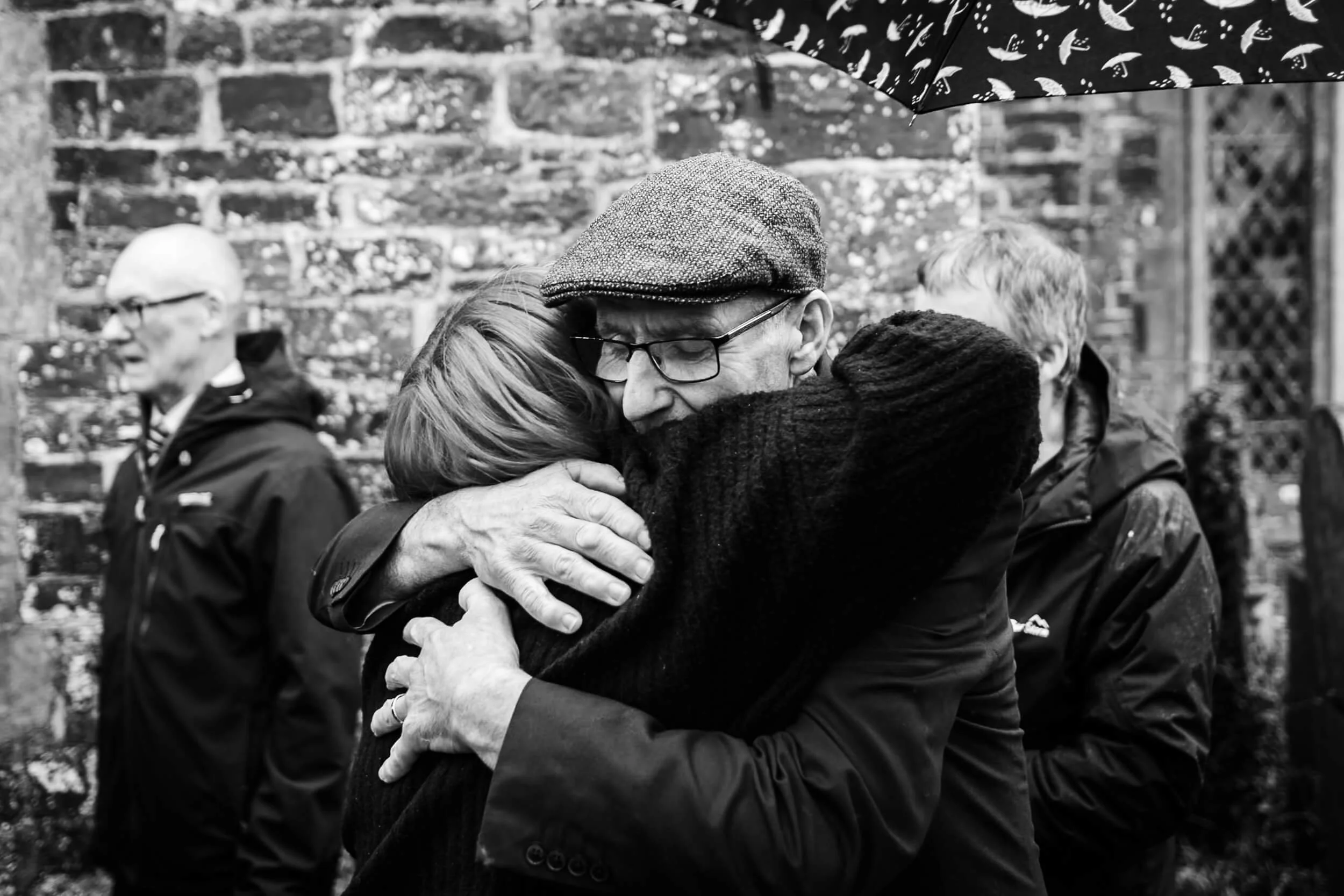
If allowed to perform one human act, it would not be achievement.
Not victory. Not applause. Not public recognition.
It would be an embrace.
Specifically, embracing someone who has just stopped pretending to be okay.
People are trained to mask exhaustion, grief, anxiety, doubt. When someone finally drops that armor, it is a fragile moment. Vulnerability is one of the bravest things a human being can offer.
An embrace in that space does not solve problems. It does something more fundamental: it reduces isolation.
Isolation amplifies pain. Presence reduces it.
One human action, chosen carefully, would not aim to impress the world. It would aim to steady one person.
One Sentence to the Entire World
If the entire human population would listen — truly listen — to one sentence, it would have to be simple enough to remember and deep enough to challenge.
It would be:
“Treat each other as if every person you meet is fighting a battle you cannot see.”
Most cruelty begins with assumption.
We assume incompetence where there is exhaustion.
We assume malice where there is fear.
We assume indifference where there is overwhelm.
This sentence would not eliminate conflict. It would lower its temperature.
Empathy does not weaken civilization. It stabilizes it.
If even a fraction of people adjusted their reactions with this awareness, workplaces would change. Politics would shift tone. Families would argue differently. Online spaces would lose some of their hostility.
One sentence cannot save the world. But it can redirect it.
One Gift

If one gift could be offered to a single human being — just once — it would not be wealth, status, or power.
It would be an unshakable sense of self-worth.
Not inflated ego. Not superiority. Not comparison.
A quiet, grounded certainty:
“I am enough.”
Much of human conflict stems from insecurity. The need to dominate, prove, outperform, control — these often mask internal doubt.
A person secure in their worth does not need to belittle others to feel tall. They do not chase validation as survival. They build. They create. They collaborate.
Self-worth stabilizes behavior at its root.
If one gift could change the trajectory of a life, this would be the one with the widest ripple effect.
The Pattern Beneath It All
Across touch, movement, sight, action, speech, and giving — one theme repeats.
It is not greatness that defines meaning.
It is connection.
Humans often pursue magnitude: larger platforms, louder influence, greater dominance. Yet what consistently proves transformative are the smaller, quieter moments:
A steady hand.
A silent sunrise.
An unseen ethical choice.
An embrace without judgment.
A sentence that reframes perspective.
A stable sense of worth.
When stripped of spectacle, humanity is not built on noise.
It is built on presence.
If allowed to be human only once, the most powerful choices would not be dramatic. They would be deliberate.
And perhaps that is the deeper implication: you do not have to be limited to one moment to choose as if it matters.
Because it does.


