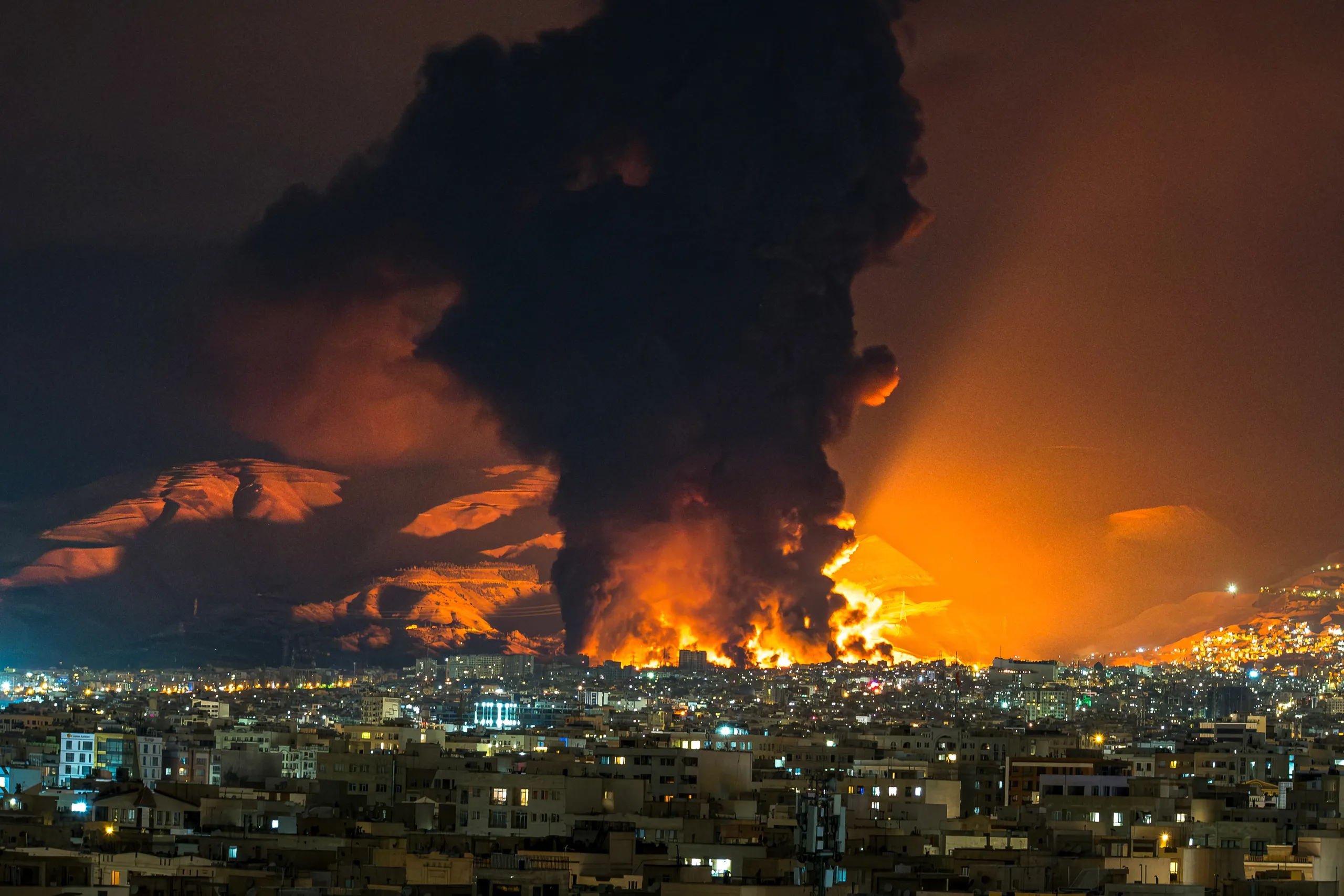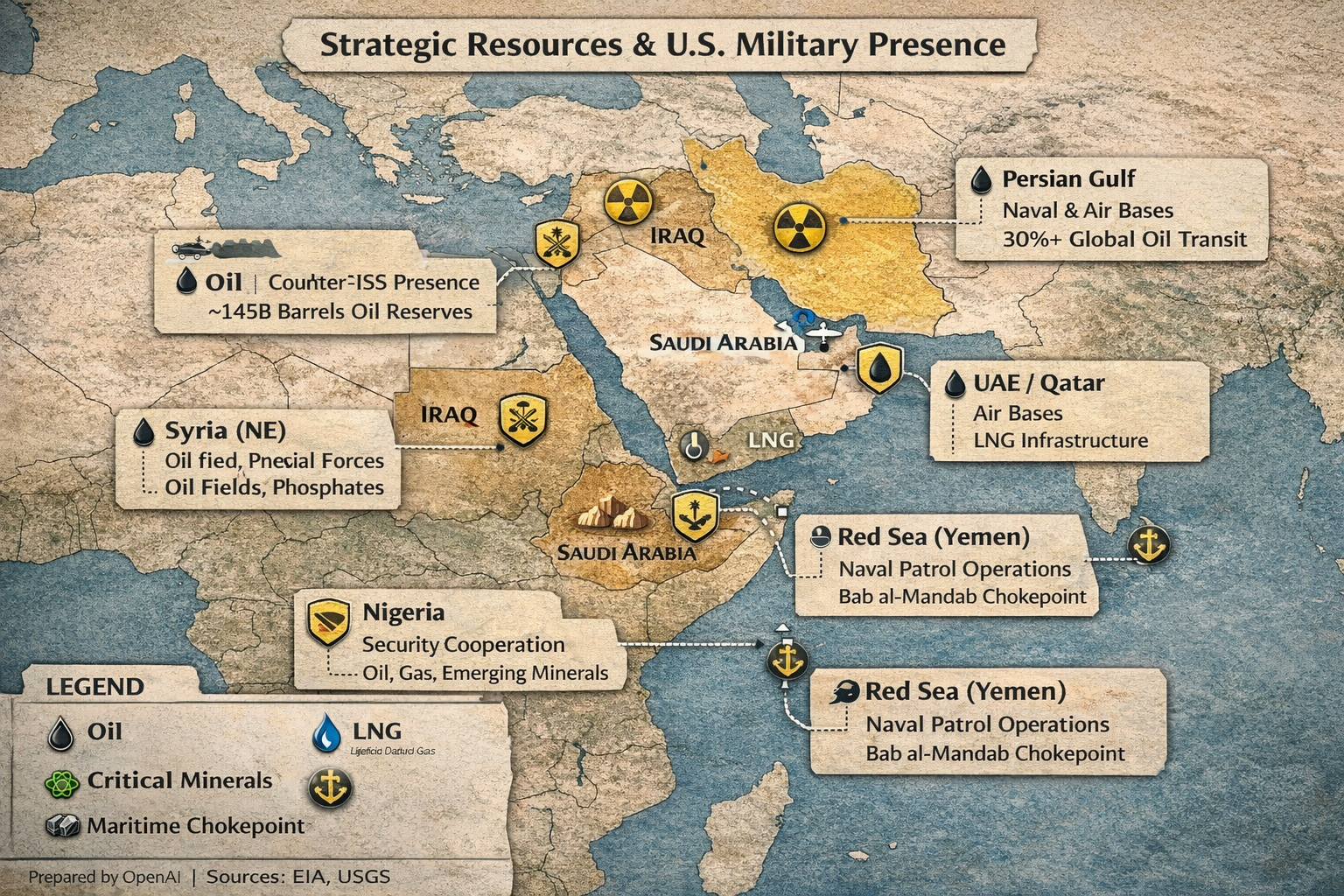
The current situation in Iran is raising alarm bells across the globe. As military tensions escalate, a fundamental question demands honest examination: why are the United States and Israel engaging in military operations against this country? Are we witnessing a carefully calculated long-term strategy, or a series of impulsive political decisions driven by short-term interests?
A Pattern of Military Interventionism
Critics have long observed that the United States has maintained a near-continuous cycle of military engagement around the world — from Vietnam and Iraq to Libya and Syria — often under shifting justifications. Historians and political analysts note that these interventions rarely leave the targeted nations more stable than before. Iran now appears to be the latest chapter in this pattern.
What makes the Iranian case particularly striking is its timing. Several commentators have pointed out that major political controversies in the West — most notably the ongoing fallout from the Jeffrey Epstein scandal and the network of powerful individuals implicated in it — have been almost entirely eclipsed in media coverage by events unfolding in the Middle East. Whether this is coincidental or strategic is a question reasonable people can debate, but the effect is undeniable: public attention has been redirected.
Iran's Strategic and Natural Wealth
To understand the depth of foreign interest in Iran, one must look beyond headlines and examine what lies beneath the country's soil. Iran is one of the most resource-rich nations on Earth:
- Natural gas: Iran holds the world's second-largest proven reserves, surpassed only by Russia — an extraordinary strategic asset in a world still heavily dependent on fossil fuels.
- Copper: Iran ranks among the top ten countries globally for copper reserves, a metal critical to modern electronics, electric vehicles, and infrastructure.
- Iron ore: Vast deposits underpin significant domestic steel production capacity.
- Chromium and manganese: Essential for alloy and stainless steel manufacturing.
- Zinc and lead: Major deposits used in construction, batteries, and industrial applications.
- Barite and gypsum: Widely used in construction and the oil drilling industry.
- Coal: Moderate reserves contributing to domestic energy production.
- Gold and uranium: Smaller but strategically significant deposits — uranium in particular carries obvious geopolitical weight in the context of nuclear energy and weapons proliferation debates.
Beyond raw materials, Iran's geographic position — bridging the Caspian Sea, the Persian Gulf, and Central Asia — makes it one of the most important transit corridors in the world. Control over Iranian territory, or even a compliant Iranian government, would offer enormous logistical and economic leverage to any great power.
The Resource Question
The question that many analysts are reluctant to ask openly is this: to what extent is the current conflict a means of establishing control over Iranian territory and its resources?
History offers uncomfortable precedents. The 1953 CIA-backed coup that overthrew Iranian Prime Minister Mohammad Mosaddegh was triggered in large part by his decision to nationalize the Iranian oil industry — a move that threatened British and American petroleum interests. The lesson that Iran's leadership drew from that episode shaped Iranian politics for generations. It is not paranoia but historical literacy to note that resource wealth and geopolitical position have repeatedly made Iran a target for external interference.
Today, with the global energy transition underway and demand for critical minerals surging, the calculus may have shifted in emphasis but not in substance. Copper, lithium-adjacent metals, and rare industrial minerals are the new oil. Nations that control them — or deny others access to them — hold enormous power in the 21st-century economy.
Beyond Resources: Regional Dominance
Economic interests alone do not explain the full picture. Iran's military and political influence across the Middle East — through its support of Hezbollah in Lebanon, Houthi forces in Yemen, various factions in Iraq, and its close relationship with Syria — represents a formidable challenge to both Israeli security and American strategic dominance in the region. From Washington and Tel Aviv's perspective, a weakened or restructured Iran would dramatically alter the regional balance of power.
Israel, for its part, has consistently viewed a nuclear-capable Iran as an existential threat. Years of diplomatic pressure, covert operations, and targeted strikes against Iranian nuclear infrastructure reflect a long-standing policy of containment. The current escalation may represent an attempt to resolve this issue decisively rather than indefinitely defer it.
The Case for Caution
None of this analysis leads to simple conclusions. Iran's government is not without its own serious failings — its human rights record, suppression of domestic dissent, and support for armed proxies across the region are well-documented. The situation is genuinely complex, and reducing it to a single cause — whether "resource theft" or "nuclear threat" — risks distorting reality.
What responsible analysis demands is precisely this caution: an acknowledgment that multiple forces are at work simultaneously. Geopolitical strategy, economic interest, domestic politics, historical grievances, and security concerns all intersect in ways that resist simple narratives.
Conclusion
What is clear is that the people who will pay the highest price for this conflict — as in every conflict — are ordinary civilians on the ground. Whatever the motivations of the powers involved, the humanitarian consequences of sustained military engagement are devastating and real.
The world deserves honest, searching journalism and political debate about why this war is happening, who benefits, and what the long-term consequences will be. Accepting official justifications without scrutiny is not patriotism — it is negligence. And in a world where media cycles can be hijacked and public attention is a finite resource, asking these hard questions is more important than ever.