Space has always been noisy, but most of that noise follows predictable patterns. Stars emit radiation, galaxies hum along in radio frequencies, and black holes scream in ways scientists have learned to interpret. Then there are Fast Radio Bursts, or FRBs, which behave like someone briefly turning on a cosmic flashlight and then immediately switching it off, leaving astronomers staring at their screens wondering what just happened.
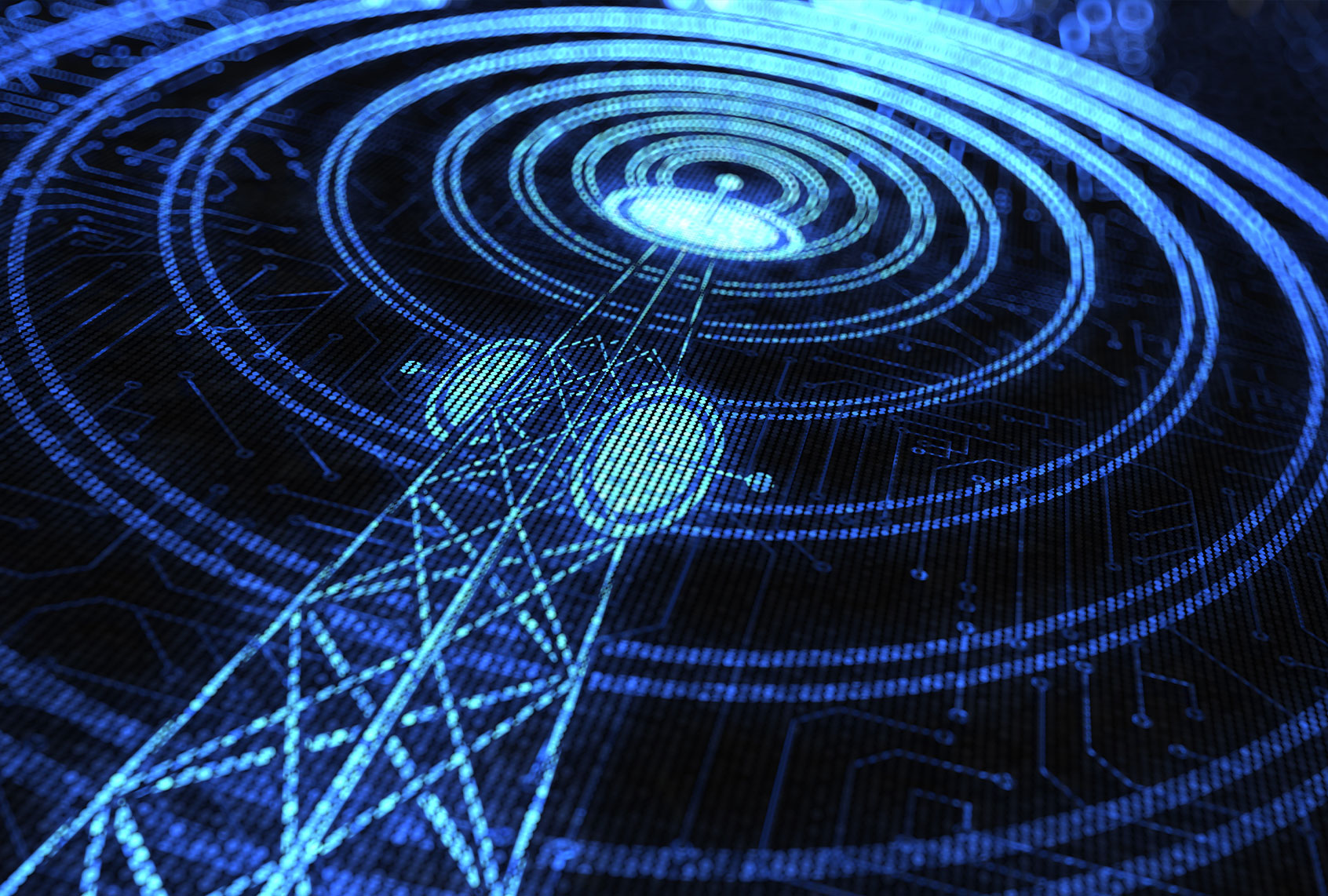
First discovered in 2007, Fast Radio Bursts are incredibly short and powerful pulses of radio waves coming from far beyond our galaxy. Each burst lasts only a few milliseconds, yet in that brief moment it can release as much energy as the Sun emits over several days. That alone should tell you something is not behaving normally out there.
What makes FRBs particularly frustrating is their unpredictability. Most of them appear once and never repeat, which is the scientific equivalent of someone ringing your doorbell and sprinting away before you can open the door. However, a small number of these signals do repeat, and those have become the main focus of research because they give astronomers a chance to actually study them rather than just panic quietly and write papers.
The origin of FRBs remains one of the biggest open questions in astrophysics. Early theories ranged from neutron star collisions to black hole activity, and naturally, because humans cannot resist, aliens were also thrown into the mix. While the extraterrestrial explanation is great for headlines and conspiracy forums, actual evidence points in a more grounded direction.
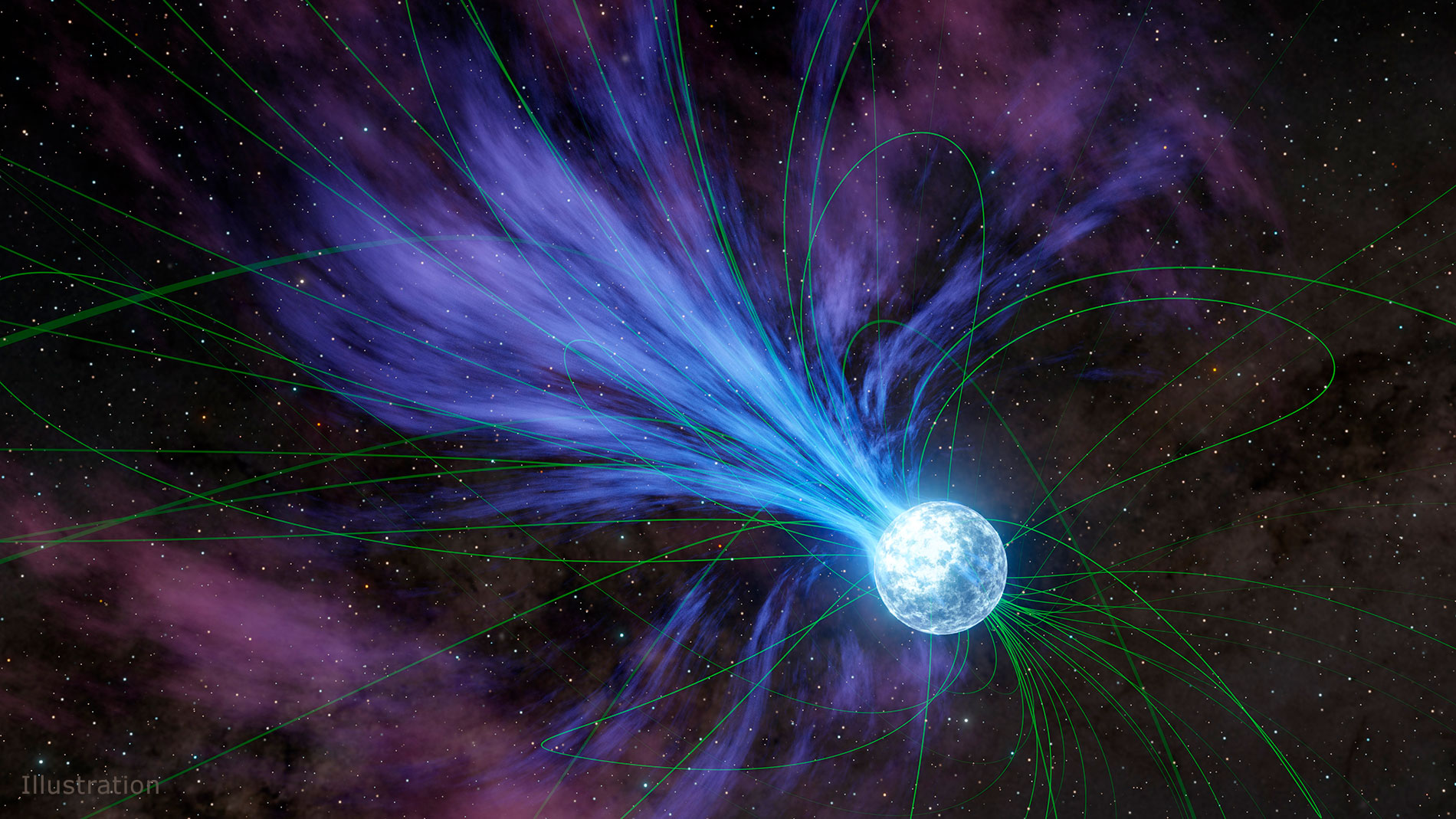
The leading theory today involves magnetars, which are a type of neutron star with extremely powerful magnetic fields. These objects are already among the most extreme things in the universe, so it makes sense that they could produce something as violent and brief as an FRB. In fact, scientists have observed FRB-like signals coming from a magnetar within our own galaxy, which significantly strengthened this hypothesis.
That said, not all FRBs behave the same way. Some repeat in regular patterns, others are completely random, and a few have shown strange characteristics that do not neatly fit into current models. This suggests that there might not be a single explanation. Instead, Fast Radio Bursts could be the result of multiple different cosmic events, all producing similar signals for entirely different reasons.
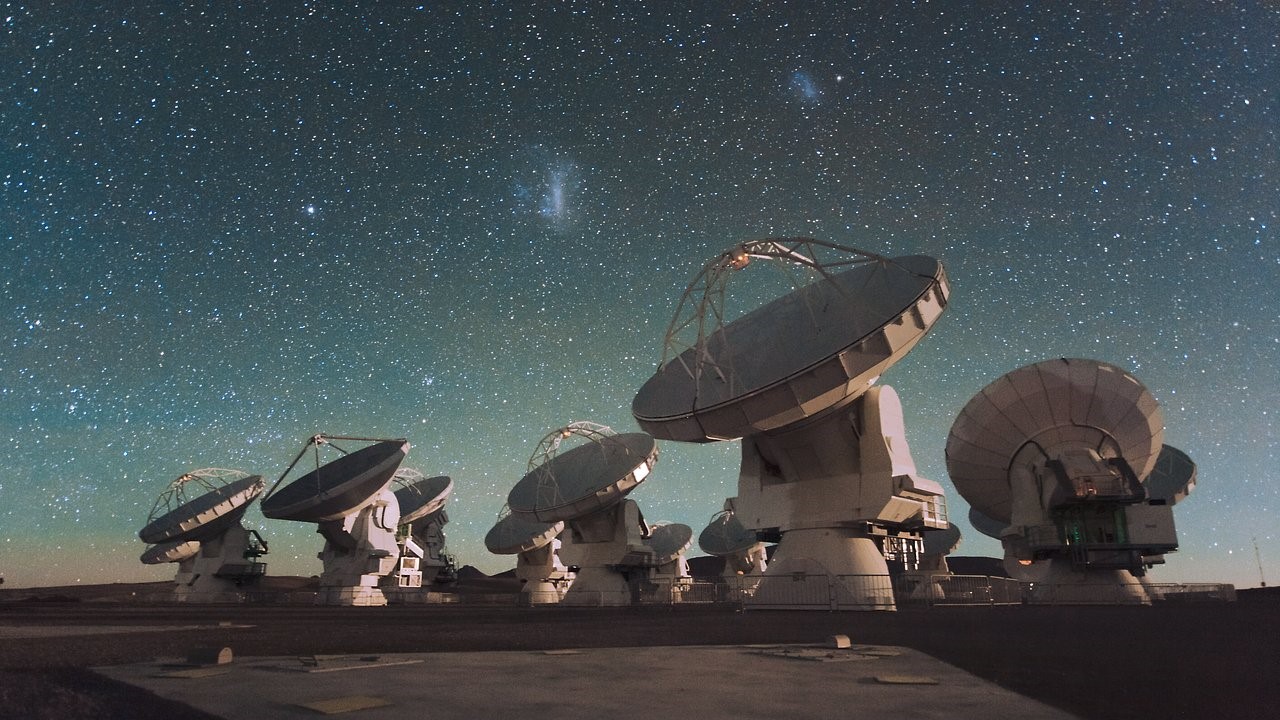
Modern radio telescopes, such as large interferometer arrays, have dramatically improved our ability to detect and localize FRBs. By tracing these signals back to their host galaxies, astronomers are starting to build a clearer picture of where they originate. Some have been linked to distant galaxies billions of light-years away, meaning the signals we detect today began their journey long before humans even existed as a species.
Beyond the mystery itself, FRBs may actually become useful tools. Scientists are exploring how these signals can be used to study the structure of the universe, including the distribution of matter between galaxies. In other words, something that currently looks like random cosmic noise might eventually help us map the invisible parts of the universe.
Fast Radio Bursts sit at the intersection of discovery and confusion. They are powerful, fleeting, and often completely unpredictable. Despite years of research, they still refuse to fit neatly into our understanding of the cosmos, which is exactly why scientists find them so compelling.
For now, every new detection is both progress and a reminder of how little we actually know. The universe is still sending signals, and we are still trying to figure out whether it is telling us something profound or just casually breaking the rules of physics again.