

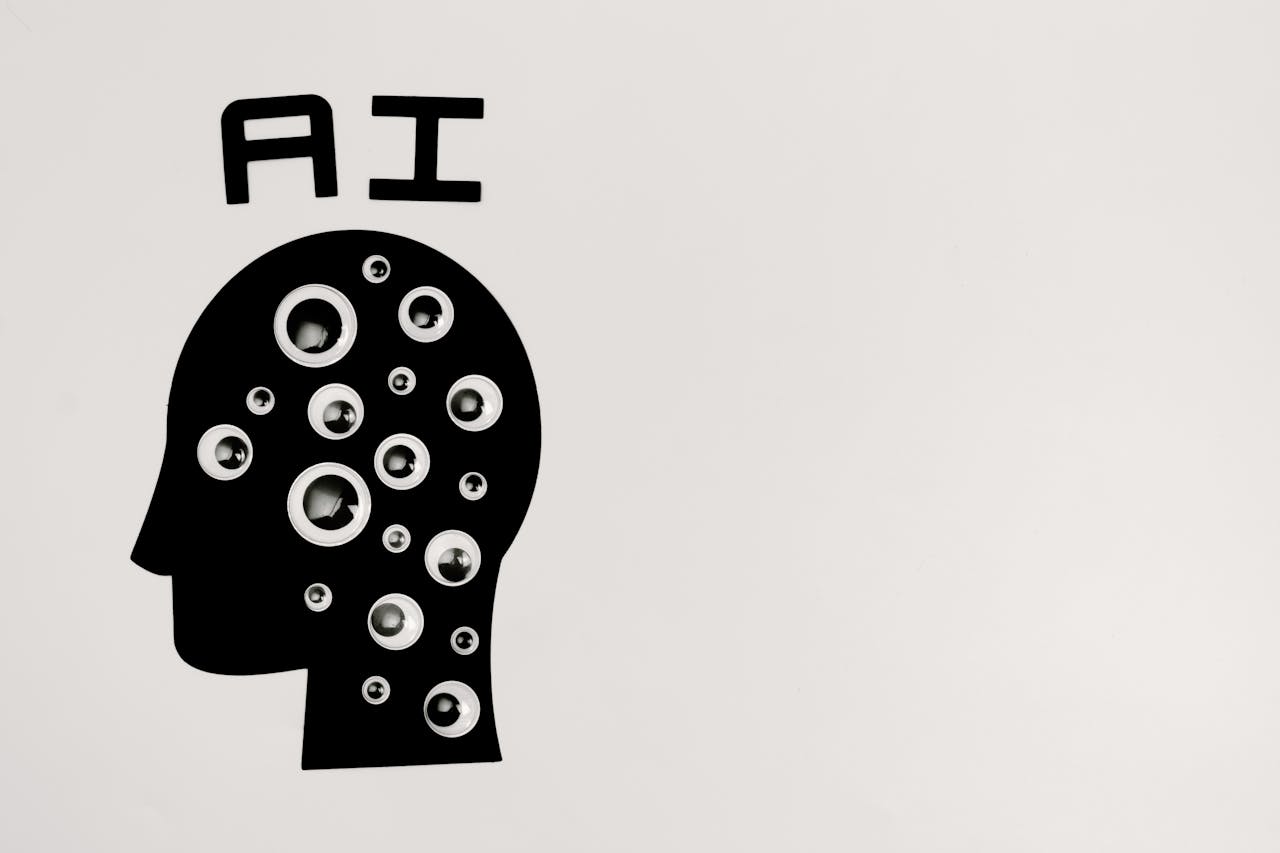
Living With AI: Everyday Gains and Hidden Losses
Artificial Intelligence has quietly become part of our daily routines. From the moment we wake up to a smart alarm, scroll through AI-curated feeds, or get recommendations on what to watch or buy, AI is shaping our choices more than we realize. While its benefits are clear, the hidden costs deserve a closer look.
The Upsides: Convenience and Creativity
AI makes life undeniably easier. Smart assistants handle scheduling, reminders, and shopping lists. Navigation apps predict traffic patterns and optimize routes, saving hours every week. Even in creative fields, AI tools can generate music, art, and writing, accelerating ideas and pushing human imagination further.
Healthcare is another domain seeing major gains. AI can analyze medical images faster than humans, detect patterns invisible to the naked eye, and even predict outbreaks before they happen. Efficiency, personalization, and speed — these are the tangible rewards AI brings.
For people with disabilities, AI is transformative in ways often overlooked: voice-to-text enables communication, real-time translation breaks isolation, and computer vision helps the blind navigate spaces. These aren't luxuries — they're pathways to independence that didn't exist a decade ago.
The Downsides: Privacy, Dependence, and Humanity
But these advantages come with costs. Privacy erosion is perhaps the most obvious. Every search, click, or interaction feeds AI systems, creating detailed digital profiles. What happens to that data, who controls it, and how it's used remains largely opaque. Worse still, we've normalized this exchange: privacy for convenience feels like a fair trade — until that data is breached, sold, or used to manipulate our beliefs and behaviors.
Then there's over-dependence. The more we rely on AI to think, create, or decide for us, the more our own skills may atrophy. Critical thinking, memory, and even basic problem-solving could weaken if we outsource too much to machines. Studies show students using AI writing tools produce fluent text but struggle to develop their own voice. Drivers relying on autopilot lose situational awareness. We're trading competence for convenience, often without realizing it.
Human connection suffers as well. AI chatbots and virtual companions may offer convenience, but they cannot replace empathy, emotional nuance, and the complexity of real human relationships. The danger is subtle: we may become efficient but emotionally impoverished. Loneliness is already an epidemic; AI companions may soothe the symptom while worsening the disease.
The Economic Blind Spot
What often goes unmentioned is the economic reshaping underway. AI doesn't just assist workers — it replaces them. Call center agents, radiologists, translators, paralegals: entire professions face obsolescence or radical transformation. Unlike past automation waves, AI targets cognitive work once thought uniquely human. The question isn't whether jobs will disappear, but whether we'll create new ones fast enough — and whether those jobs will offer dignity and livelihood.
Finding the Middle Ground
AI is neither inherently good nor evil — it reflects the intentions behind its design and use. Society must balance convenience with awareness, and innovation with ethics. Transparency, digital literacy, and thoughtful regulation are critical to ensure AI amplifies human potential rather than diminishes it.
But principles without practice are hollow. We need: - Mandatory AI literacy in education, teaching students not just how to use AI but how to question it
- Right to explanation for algorithmic decisions that affect our lives — loans, hiring, healthcare
- Economic policies that share AI's productivity gains, not just its disruptions
- Conscious cultivation of offline skills, face-to-face connection, and friction that slows us down enough to think
Ultimately, living with AI means making choices: embracing the tools that make our lives better, while protecting the skills, privacy, and connections that make us human. The hardest part isn't deciding what AI should do — it's deciding what only we should do, and having the discipline to keep it that way.


