

When people think of Poland, the same names usually come up: Kraków, Warsaw, Gdańsk, the Tatra Mountains. But the real character of the country often reveals itself far from the guidebook highlights. If you’re willing to step off the obvious route, Poland offers places that feel untouched, authentic, and surprisingly diverse — from drifting sand dunes to painted villages and forgotten fortresses.
Zalipie – The Painted Village
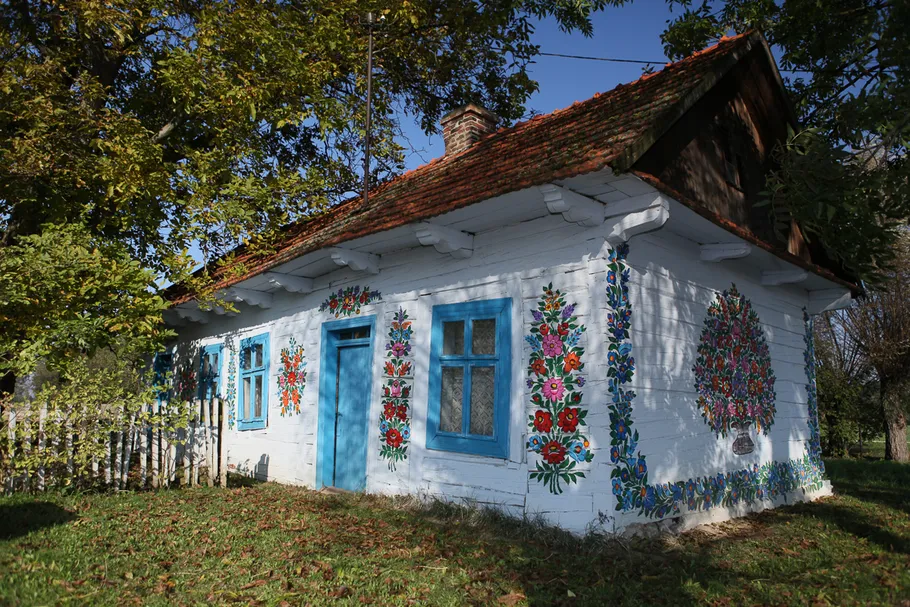
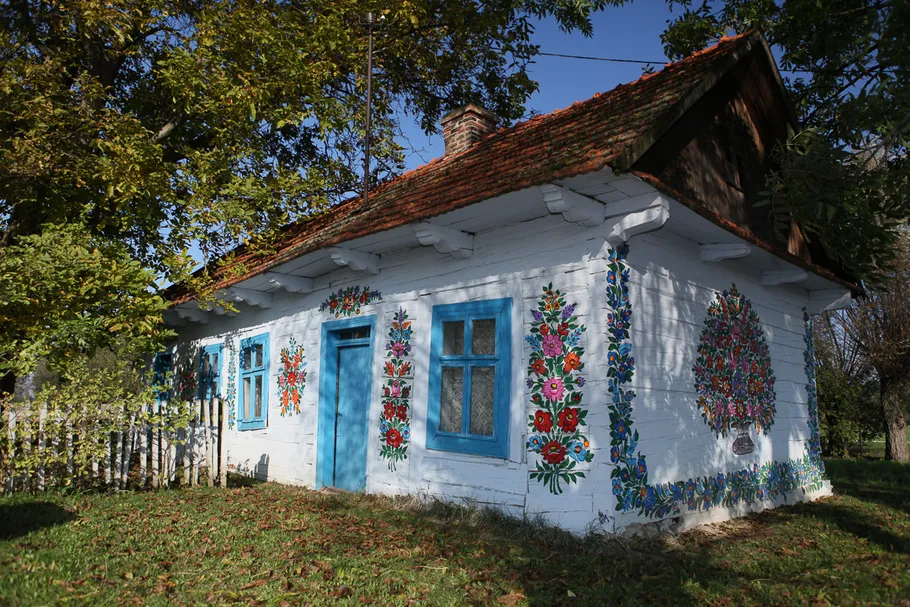
In southern Poland, not far from Tarnów, lies the tiny village of Zalipie. At first glance, it seems like any rural settlement. But look closer: nearly every house, barn, fence, and even dog kennel is covered in hand-painted floral patterns.
This tradition began in the 19th century, when villagers decorated soot-stained walls with simple flowers. Over time, the paintings became more elaborate. Today, the entire village feels like a living folk-art gallery. It’s not a staged attraction; people actually live in these painted homes.
Walking through Zalipie feels personal. There are no crowds, no souvenir megastores — just quiet lanes, blooming gardens, and an art form passed down through generations.
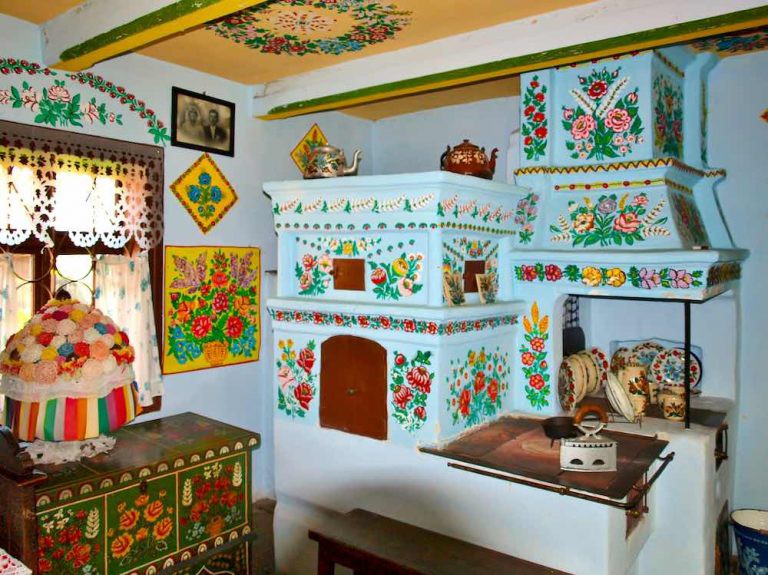
In southern Poland, not far from Tarnów, lies the tiny village of Zalipie. At first glance, it seems like any rural settlement. But look closer: nearly every house, barn, fence, and even dog kennel is covered in hand-painted floral patterns.
This tradition began in the 19th century, when villagers decorated soot-stained walls with simple flowers. Over time, the paintings became more elaborate. Today, the entire village feels like a living folk-art gallery. It’s not a staged attraction; people actually live in these painted homes.
Walking through Zalipie feels personal. There are no crowds, no souvenir megastores — just quiet lanes, blooming gardens, and an art form passed down through generations.
The Błędów Desert – A Surprising Landscape
Few expect to find a desert in Central Europe, yet the Błędów Desert exists. Located between Kraków and Katowice, this sandy expanse covers about 30 square kilometers.
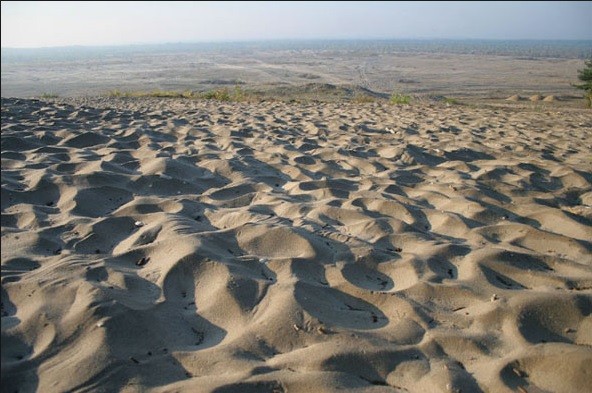
It’s not a desert in the Sahara sense, but the wide open dunes and sparse vegetation create a strangely cinematic atmosphere. On windy days, sand drifts across the ground in visible waves. During sunset, the landscape glows in warm gold tones, and for a moment you could believe you’re somewhere much farther south.
The best part? You might have it almost entirely to yourself.
Krzyżtopór Castle – Ruins with Ambition
Hidden in the village of Ujazd in southeastern Poland stands the dramatic ruins of Krzyżtopór Castle. Built in the 17th century, it was once one of the largest palace complexes in Europe.
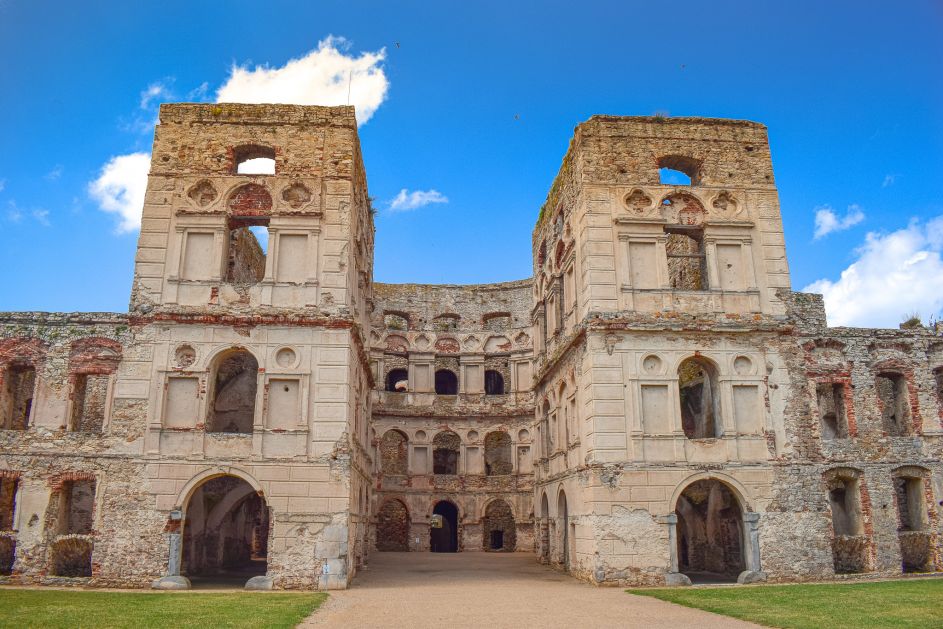
The design was symbolic: it reportedly had 365 windows (one for each day of the year), 52 rooms (weeks), 12 halls (months), and 4 towers (seasons). Though much of it now stands roofless, the scale remains astonishing. Massive stone walls rise from the countryside, and you can wander freely through corridors open to the sky.
Unlike more famous castles, Krzyżtopór feels raw and powerful — less restored, more atmospheric.
The Wooden Orthodox Churches of Podlasie
In the northeastern region of Podlasie, near the Belarusian border, time seems to move differently. The villages here are known for brightly colored wooden houses and small Orthodox churches with onion domes.
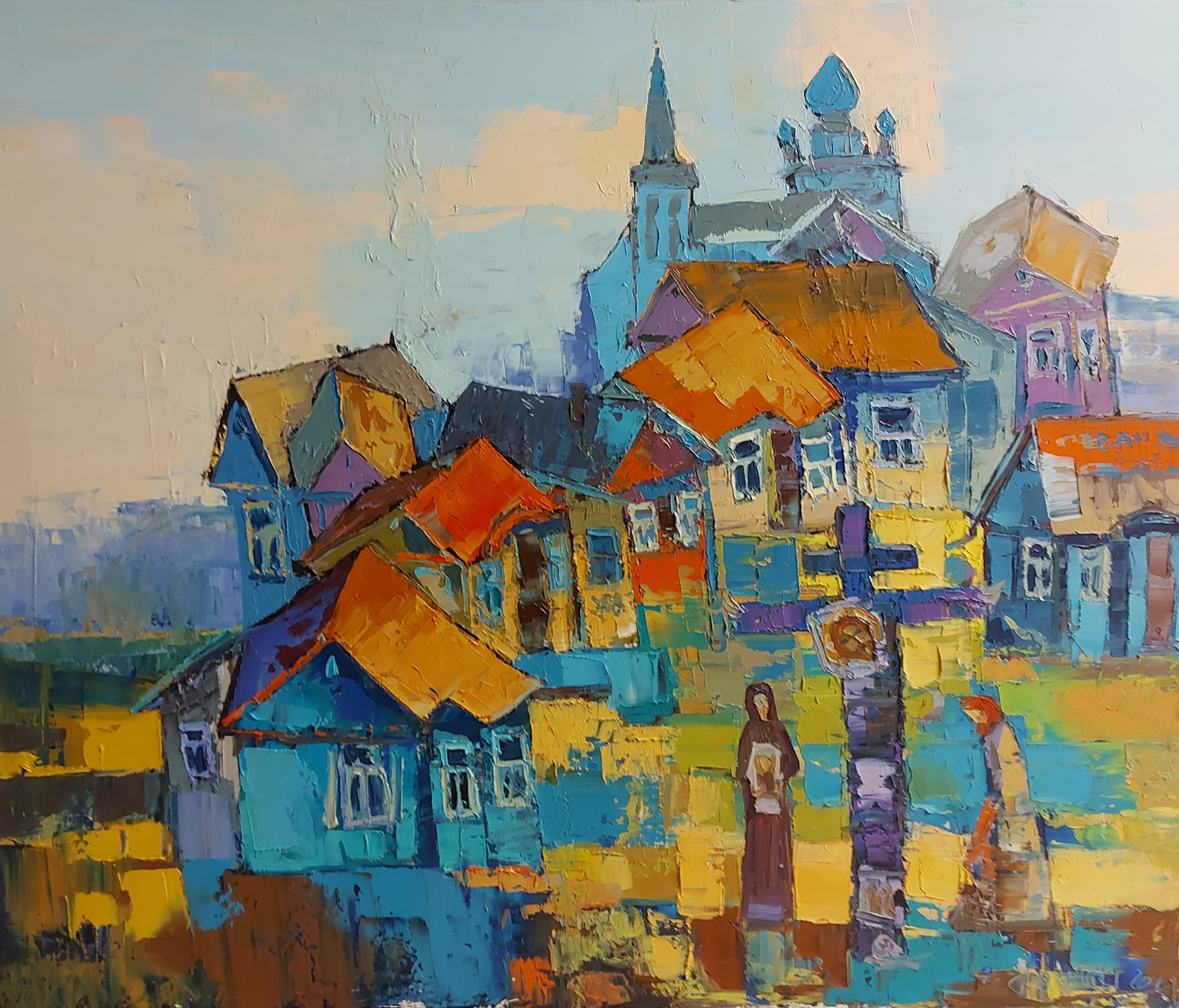
Places like Trześcianka or Soce are rarely mentioned in mainstream travel media, yet they offer a glimpse into Poland’s multicultural heritage. This region has long been home to a mix of Polish, Belarusian, and Ukrainian influences.
Driving through Podlasie means passing forests, wooden fences, and quiet fields. It’s less about sightseeing and more about slowing down.
The Stołowe Mountains – Natural Stone Sculptures
The Stołowe Mountains, near the Czech border, don’t look like typical mountains. Instead of sharp peaks, you’ll find vast flat-topped plateaus and surreal rock formations shaped by centuries of erosion.
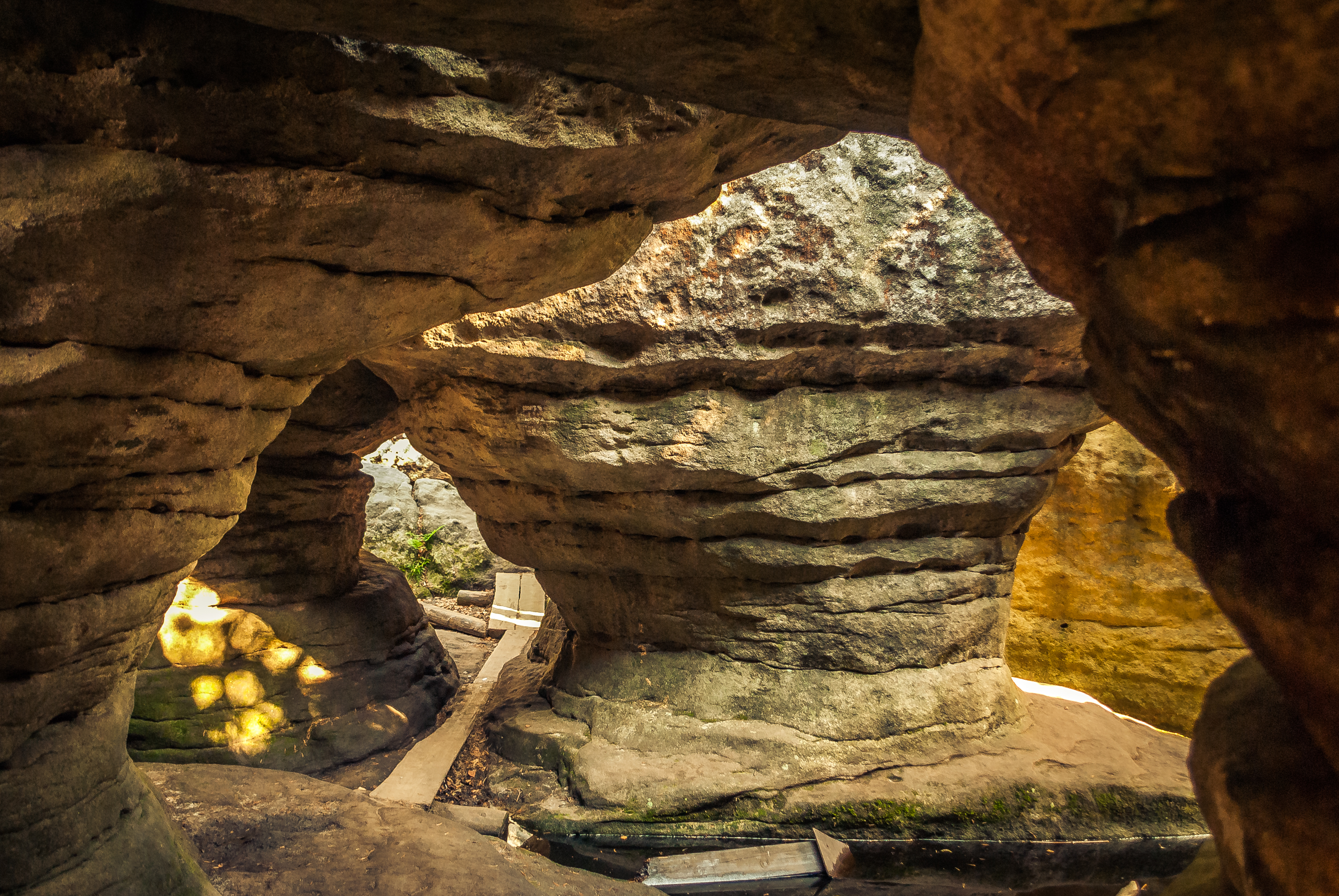
One of the highlights is a natural rock labyrinth known as Błędne Skały, where narrow passages wind between towering stone walls. Hiking here feels slightly unreal — like walking through a giant natural sculpture park.
It’s popular with local hikers but still far quieter than the Tatras. If you prefer silence over summit selfies, this is your place.
A Different Side of Poland
Poland isn’t just grand squares and historic capitals. It’s painted cottages in quiet villages. It’s wind-blown sand in unexpected places. It’s forgotten fortresses and wooden churches where candles still flicker in the afternoon light.
What makes these lesser-known places special is not just their beauty, but their authenticity. You don’t feel like you’re following a tourist script. You feel like you’ve discovered something on your own.
And maybe that’s the best way to experience Poland.


